Paul Is Dead...No, Honest. He Really Is.
DVD Review: Paul McCartney Really Is Dead: The Last Testament of George Harrison
The immediate question with something as outlandish and outrageous as this, is how exactly does one approach it? And the answer, is an equally obvious one.
That would be with a grain of salt and then some. On a purely dark comedic sort of level, this shit (and I do mean shit in the most literal sense of the word) is pure gold.
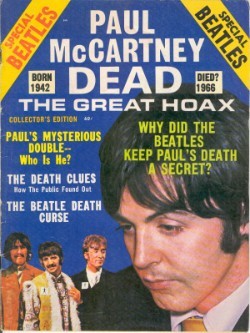
Whether the Beatles themselves had anything to do with the "Paul Is Dead" rumors which initially began spreading like wildfire in 1969 around the time of the release of Abbey Road or not (and my own suspicion is that they didn't), there is no question that these stories, however briefly, created quite a weird firestorm at the time.
Honestly, you really had to be there.
As a teenager, I can even recall myself buying into the whole "Paul Is Dead" conspiracy theory, fueled by the numerous "clues" placed on Beatles album covers and even within the songs themselves.
Personally, I have no idea who exactly came up with the whole thing (and again, I don't think it was the Beatles themselves).
But at the time it was pure genius. Whether by joke, accident or design, the various "clues" placed on Beatles albums dating back as far as Rubber Soul are actually quite convincing for a minute when they are added up — at least if you were a very impressionable twelve year old boy back then, as I was.
If you play back the very end Of "Strawberry Fields Forever" for example, it really does sound like John Lennon says "I buried Paul." Lennon has since claimed the line was actually the rather innocently nonsensical "Cranberry Sauce".
The thing is, if John was really grieving over Paul, how do you explain a song like "How Do You Sleep" — because if I'm not mistaken, Lennon sounds quite royally pissed at Paul in that one.
But hey, what about the funeral procession on the back cover of Abbey Road? What about that "28If" license plate? Or Paul being barefoot, and George wearing a gravediggers uniform? Or the backwards masking heard on "Revolution #9" from the White Album ("turn me on, dead man").
Or about how Paul "blew his mind out in a car," — a lyric heard on "A Day In The Life" said to be about how Paul McCartney lost his life in a 1966 car accident?
Questions, Questions, Questions...
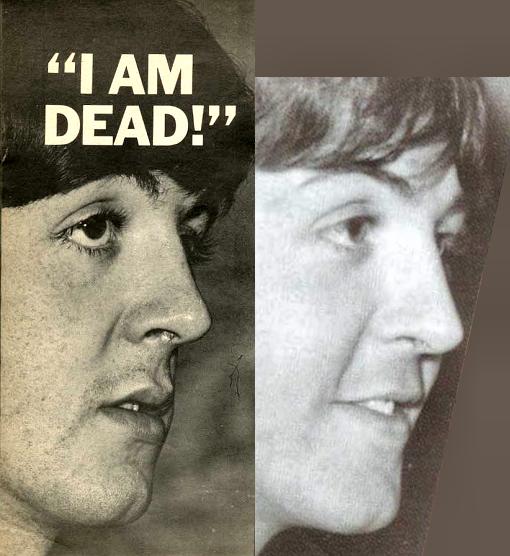
The thing is, such things as deciphering these various "clues" were a lot of fun back then — especially if you happened by a completely obsessed twelve year old Beatles fan as I was.
But seriously? Get real. The only guy who read this much into Beatles lyrics back then was Charles Manson, and the circumstances of that are a matter of rather tragic, but unfortunately historical record.
Most of us have since long gotten over it. But as unbelievable as it may seem, there are some people who still take this shit quite seriously. For all I know, Charles Manson is probably one of them. But my suspicion is that Joel Gilbert, the guy who made this DVD, isn't.
Gilbert is a guy who has made a number of unauthorized Bob Dylan DVD's, where he mostly goes around dressed as a mid-period Dylan wannabe trying to fill in the blanks on things like Bob's "Jesus years." On this DVD, he even sneaks in some of that Dylan devotion in the extras included.
But beyond that, Gilbert takes the whole "Paul Is Dead" myth to ridiculous and honestly, quite humorous lengths. And it is in that spirit, that Paul McCartney Really Is Dead should be taken.
Because honestly, when put into that context this DVD is actually a lot of fun. Based upon a mysterious, clandestinely delivered tape from someone purporting to be a badly voiced George Harrison on his deathbed, a fairly convincing case for the "Paul Is Dead" conspiracy is actually made during the early parts of this DVD — at least until they get to the badly scripted parts about British intelligence agents named for Beatles songs like "Maxwell."
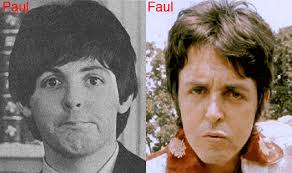
By the time "Lovely Rita" turns out to be a young Heather Mills who lost her leg in the 1966 car accident which purportedly killed Paul, and she subsequently blackmailed "Fake Paul" (or "Faul") into marrying her — any minuscule credibility this film may have had is tossed completely out the window.
I mean, we all know that Heather was kind of a bitch and all — but was she even alive in 1966? And as an adult to boot?
Things get a little less tasteful when the deaths of both Harrison and John Lennon are attributed to the ongoing "Paul Is Dead" coverup. And in the case of John Lennon, I can almost buy into it — though not for any conspiracy theory involving the supposed death of Paul McCartney. Lennon's assassination enters into more something like the Manchurian Candidate realm — at least if you actually subscribe to that sort of thing.
But for the most part, this is where Joel Gilbert's Paul McCartney Really Is Dead enters into the realm of the truly ridiculous. That said, as long as you don't take it too seriously, the premise here is sort of entertaining, in a darkly humorous sort of way.
I also have to admit that it had me kind of going for a minute there. Just don't tell anybody, okay?
This article was first published as DVD Review: Paul McCartney Really Is Dead: The Last Testament of George Harrison at Blogcritics Magazine.
Career Builder Search Engineering Basic Executive14 CareerBuilder Search Widget Searches jobs in CareerBuilder Virtual Career Builder - Jobs posting jobs to all submissions made by any User or third party whether in regards to the market.
Saturday, September 11, 2010
Thursday, September 9, 2010
Interview: Pegi Young Confesses Her Foul Deeds And More
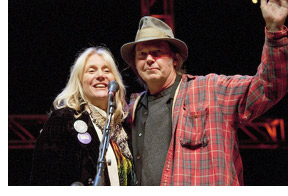
With her second solo album, Foul Deeds, singer-songwriter Pegi Young may be about to break away from the long shadow cast by her more famous husband, rock legend Neil Young. Not literally of course. Despite the many songs expressing themes of heartbreak and loss heard on Foul Deeds, Pegi has assured us that she and Neil are doing just fine, thank you very much.
However, Foul Deeds does represent a bold enough progression from her self-titled 2007 solo debut, that Pegi Young seems to be poised for an artistic breakthrough of her own.
With a mix of strong originals like "Traveling" (which is heard in two versions on the album) and the title track, as well as well-chosen covers like Will Jennings' "Pleasing To Me" (that nicely compliment the overall storytelling arc of Foul Deeds), any bets against it would at the very least be unwise.
The album, released this past June by Vapor Records (the indie imprint started up by her husband and Elliot Roberts — who also manages both acts), has been getting some very positive reviews. A series of small venue concerts by Pegi and her band that took place on the West Coast this past June, were likewise well received by audiences and critics alike.
In October, Pegi Young will once again take the Foul Deeds show out on the road, this time hitting small venues mostly on the East Coast. As was the case with the shows in June, Pegi and her all-star band (which includes such veterans of her husband's recordings as keyboardist Spooner Oldham and bassist Rick Rosas) will be sharing the bill with Scottish folk singer/songwriter/guitarist Bert Jansch. They will however, be minus one key member, the great multi-instrumentalist Ben Keith, who sadly passed away in July at the age of 73.
Earlier this week, Pegi Young phoned Blogcritics music editor Glen Boyd from the Young family's Broken Arrow Ranch in Northern California. She talked about Ben Keith's untimely passing, her new album, being a late bloomer as an artist and a number of other subjects in the rare interview which follows:
Thanks for taking the time to talk to us. So, are you back on the road now?
No, I'm here at our place in California. We are scheduled to go back on the road in early October.
I was fortunate to enough to see you here in Seattle back in June at the Triple Door.
Yeah...I read your review, and I read your subsequent album review. I definitely appreciated your show review and the mention of Spooner and Ben, because I thought "okay, this guy really gets it."
Well, thank you for that (laughs). Those were of course the last shows Ben Keith did before his untimely passing. Can you talk about that for a minute?
Well, of course we didn't know at the time that they were his last shows. So you know, everything was just normal. We just pulled into town like we always do, you know and it was like "that was fun" and everybody was just looking forward to the next show. He really is just a brilliant player, and he plays so many instruments. We always worked really closely on the production and he's just really always been my "go-to" guy. It's just really, really (long pause)...sad, that he's gone.
It seemed like it was pretty sudden.
It was very sudden.
So, what's it like playing the smaller places as a headliner or sharing the bill with someone like Bert Jansch, as opposed to playing the bigger arenas with your husband?
Well, the Triple Door is cool...we really like the Triple Door. I remember walking into the WAMU Center (Seattle's WAMU Theater) when we played there with Neil, and thinking "oh, God...do I have to?" I mean it scared me...it was so big compared to some of the theaters we just played. It was pretty daunting. I mean I get stage fright anyway (laughs). But I like the small places myself. I mean, you know you can really feel it, and for me the music just goes really well in the smaller places. Some of the theaters were really great, you know, really intimate and warm.
I don't know if you were aware, but the WAMU Theater is also used for things like home shows. It's like a converted exhibition hall...
No, I had no idea...I just looked at it and went, "oh, boy..." (sighs and laughs). But you know, all in all the people seemed to be really enjoying themselves, even if some of them were just coming in for the opening act. The crowds were pretty cool. But The Triple Door...that's a great club. I like the history of that club too, it's like an old vaudevillian place. So yeah, that was a lot of fun.
So how did you come about to start making your own records, you know, later in life?
Well, it was kind of a process from when I was much younger, just playing small time gigs — fairgrounds and things. And then I had done some tours with Neil, and at one point Elliot Roberts just said "when are you going to think about doing your record?" And I just said, "well, I have been thinking about that" (laughs). Anyway, I knew who I wanted in the band, because they were all my friends, right? (laughs).
I said, "Well, I really like Rick Rosas' bass playing, and Karl's drums (Himmel), and of course Ben and Spooner." And of course, we had all just worked with Anthony on the Prairie Wind tour (with Neil Young), and I hadn't seen Anthony in about twenty years...
He's a great guitar player...
Right, and he's a great all-around musician and songwriter.
Well, they say you have your entire life to make your first record, and then you have to make your second one. So what was the difference between making that first album and this new one?
Well...I mean, probably the terror factor (laughs). Starting at the very beginning with the first time, I was initially thinking this probably isn't a very good idea.
I mean it's personal, you know? These are personal songs. So once I got over the terror, and when we went into the studio, I played maybe six or seven demos. I mean we had years, so for somebody to just sit there with me and listen to mixes...we could just sit there together in the studio and... listen, to everything, you know? Every single note. But this time, we were touring...
So this time around, part of the record was actually made while you were on the road?
It very much was. The whole mixing process was. We recorded, and (Editor's note: This part of the tape was unintelligible, but presumably Pegi is referring to Ben Keith) said look if it's okay with you, I'm gonna' go back and start mixing. So he was sending me files, and we were listening, and as it turned out, it still took several months.
I've heard you mention that your songs don't necessarily have to come from a personal, autobiographical place. So based on the songs on this new album, I hope we can assume you and Neil are still doing well? (laughs) But the lyrical content of the first few songs especially, seems to tell a story about the breakup of a relationship...
Yeah...I read how you wrote that (laughs), and I loved how you took the album that way. And that is my intention...it's just not autobiographical, you know? It's really not (laughs).
You know, when you break it down, "Broken Vows" is, if anything, more about my parents divorce. And "Starting Over" was written after I went to a funeral. A guy we knew had been married to his wife, for like fifty years, and she died.
But yeah, I really liked that. I mean that's what you want as a songwriter, that people can take it into their lives. But that song just came out of a gospel thing, or something in my head. But you know, I really like to present the songs on an album as a story, as something thematic, rather than something you'd put on a random shuffle.
And I really think that's what the best songwriters do. Dylan, Springsteen...certainly Neil does. So what's your favorite song on the record?
Well, let's see, how does the album end? I think it ends on a high note, doesn't it? (laughs)
I think it ends with the second version of "Traveling." So is that song your favorite?
Well, "Traveling," yeah I love "Traveling" (laughs). I really love the spare version of it, but I think the band did a really great version of it too, with Phil (Jones) and Anthony (Crawford). They did a really great job on that.
I like your version of the Devendra Banhart song "Body Breaks" a lot too. It has a very torchy sort of feel to it, like Norah Jones or Sade...
Devendra Banhart played the Bridge School show one year. I love the song, and I like the way we did it. It has a very different tempo. I mean, I'm not trying to brag or anything, but I love the arrangement. Did we do that in Seattle? I think we did...
You know to be honest, I couldn't tell you. I wasn't that familiar with the album yet. Was it even out back then?
No problem. But I think we did do it. I think the album was out, but we might have been still trying to get copies up to Seattle to sell.
So you mentioned that Devendra played the Bridge School benefit one year. How's that going? I hear you have Pearl Jam lined up this year.
It's going great. Yes, we do. We have Pearl Jam, they announced it on their website. So, yes they are playing.
How hands-on is your involvement in the Bridge School at this point?
It's pretty hands-on (laughs). I mean, look, by way of floating ideas and such, Elliot and I talk often about who might be able to play.
Does your involvement at this point extend to anything in the administrative area?
We now have a wonderful executive director who is starting her seventh year. I was the executive director for the first six or seven years, and you know, I have my heart into it as a parent. I sit on the board still.
You guys are definitely doing some great work. Well, once again, thanks for taking the time to talk today Pegi.
I'm happy to talk to you, and I really appreciate your appreciation of my work, and I really do feel your review was one of those ones I read where, this guy really gets it. I feel good about that. So, thank you.
For more information on Pegi Young, be sure to check out her official website, as well as the home page of Vapor Records and Pegi's MySpace Page.
This article was first published at Blogcritics Magazine as Interview: Singer/Songwriter Pegi Young Confesses Her Foul Deeds And More
With her second solo album, Foul Deeds, singer-songwriter Pegi Young may be about to break away from the long shadow cast by her more famous husband, rock legend Neil Young. Not literally of course. Despite the many songs expressing themes of heartbreak and loss heard on Foul Deeds, Pegi has assured us that she and Neil are doing just fine, thank you very much.
However, Foul Deeds does represent a bold enough progression from her self-titled 2007 solo debut, that Pegi Young seems to be poised for an artistic breakthrough of her own.With a mix of strong originals like "Traveling" (which is heard in two versions on the album) and the title track, as well as well-chosen covers like Will Jennings' "Pleasing To Me" (that nicely compliment the overall storytelling arc of Foul Deeds), any bets against it would at the very least be unwise.
The album, released this past June by Vapor Records (the indie imprint started up by her husband and Elliot Roberts — who also manages both acts), has been getting some very positive reviews. A series of small venue concerts by Pegi and her band that took place on the West Coast this past June, were likewise well received by audiences and critics alike.
In October, Pegi Young will once again take the Foul Deeds show out on the road, this time hitting small venues mostly on the East Coast. As was the case with the shows in June, Pegi and her all-star band (which includes such veterans of her husband's recordings as keyboardist Spooner Oldham and bassist Rick Rosas) will be sharing the bill with Scottish folk singer/songwriter/guitarist Bert Jansch. They will however, be minus one key member, the great multi-instrumentalist Ben Keith, who sadly passed away in July at the age of 73.
Earlier this week, Pegi Young phoned Blogcritics music editor Glen Boyd from the Young family's Broken Arrow Ranch in Northern California. She talked about Ben Keith's untimely passing, her new album, being a late bloomer as an artist and a number of other subjects in the rare interview which follows:
Thanks for taking the time to talk to us. So, are you back on the road now?
No, I'm here at our place in California. We are scheduled to go back on the road in early October.
I was fortunate to enough to see you here in Seattle back in June at the Triple Door.
Yeah...I read your review, and I read your subsequent album review. I definitely appreciated your show review and the mention of Spooner and Ben, because I thought "okay, this guy really gets it."
Well, thank you for that (laughs). Those were of course the last shows Ben Keith did before his untimely passing. Can you talk about that for a minute?
Well, of course we didn't know at the time that they were his last shows. So you know, everything was just normal. We just pulled into town like we always do, you know and it was like "that was fun" and everybody was just looking forward to the next show. He really is just a brilliant player, and he plays so many instruments. We always worked really closely on the production and he's just really always been my "go-to" guy. It's just really, really (long pause)...sad, that he's gone.
It seemed like it was pretty sudden.
It was very sudden.
So, what's it like playing the smaller places as a headliner or sharing the bill with someone like Bert Jansch, as opposed to playing the bigger arenas with your husband?
Well, the Triple Door is cool...we really like the Triple Door. I remember walking into the WAMU Center (Seattle's WAMU Theater) when we played there with Neil, and thinking "oh, God...do I have to?" I mean it scared me...it was so big compared to some of the theaters we just played. It was pretty daunting. I mean I get stage fright anyway (laughs). But I like the small places myself. I mean, you know you can really feel it, and for me the music just goes really well in the smaller places. Some of the theaters were really great, you know, really intimate and warm.
I don't know if you were aware, but the WAMU Theater is also used for things like home shows. It's like a converted exhibition hall...
No, I had no idea...I just looked at it and went, "oh, boy..." (sighs and laughs). But you know, all in all the people seemed to be really enjoying themselves, even if some of them were just coming in for the opening act. The crowds were pretty cool. But The Triple Door...that's a great club. I like the history of that club too, it's like an old vaudevillian place. So yeah, that was a lot of fun.
So how did you come about to start making your own records, you know, later in life?
Well, it was kind of a process from when I was much younger, just playing small time gigs — fairgrounds and things. And then I had done some tours with Neil, and at one point Elliot Roberts just said "when are you going to think about doing your record?" And I just said, "well, I have been thinking about that" (laughs). Anyway, I knew who I wanted in the band, because they were all my friends, right? (laughs).
I said, "Well, I really like Rick Rosas' bass playing, and Karl's drums (Himmel), and of course Ben and Spooner." And of course, we had all just worked with Anthony on the Prairie Wind tour (with Neil Young), and I hadn't seen Anthony in about twenty years...
He's a great guitar player...
Right, and he's a great all-around musician and songwriter.
Well, they say you have your entire life to make your first record, and then you have to make your second one. So what was the difference between making that first album and this new one?
Well...I mean, probably the terror factor (laughs). Starting at the very beginning with the first time, I was initially thinking this probably isn't a very good idea.
I mean it's personal, you know? These are personal songs. So once I got over the terror, and when we went into the studio, I played maybe six or seven demos. I mean we had years, so for somebody to just sit there with me and listen to mixes...we could just sit there together in the studio and... listen, to everything, you know? Every single note. But this time, we were touring...
So this time around, part of the record was actually made while you were on the road?
It very much was. The whole mixing process was. We recorded, and (Editor's note: This part of the tape was unintelligible, but presumably Pegi is referring to Ben Keith) said look if it's okay with you, I'm gonna' go back and start mixing. So he was sending me files, and we were listening, and as it turned out, it still took several months.
I've heard you mention that your songs don't necessarily have to come from a personal, autobiographical place. So based on the songs on this new album, I hope we can assume you and Neil are still doing well? (laughs) But the lyrical content of the first few songs especially, seems to tell a story about the breakup of a relationship...
Yeah...I read how you wrote that (laughs), and I loved how you took the album that way. And that is my intention...it's just not autobiographical, you know? It's really not (laughs).
You know, when you break it down, "Broken Vows" is, if anything, more about my parents divorce. And "Starting Over" was written after I went to a funeral. A guy we knew had been married to his wife, for like fifty years, and she died.
But yeah, I really liked that. I mean that's what you want as a songwriter, that people can take it into their lives. But that song just came out of a gospel thing, or something in my head. But you know, I really like to present the songs on an album as a story, as something thematic, rather than something you'd put on a random shuffle.
And I really think that's what the best songwriters do. Dylan, Springsteen...certainly Neil does. So what's your favorite song on the record?
Well, let's see, how does the album end? I think it ends on a high note, doesn't it? (laughs)
I think it ends with the second version of "Traveling." So is that song your favorite?
Well, "Traveling," yeah I love "Traveling" (laughs). I really love the spare version of it, but I think the band did a really great version of it too, with Phil (Jones) and Anthony (Crawford). They did a really great job on that.
I like your version of the Devendra Banhart song "Body Breaks" a lot too. It has a very torchy sort of feel to it, like Norah Jones or Sade...
Devendra Banhart played the Bridge School show one year. I love the song, and I like the way we did it. It has a very different tempo. I mean, I'm not trying to brag or anything, but I love the arrangement. Did we do that in Seattle? I think we did...
You know to be honest, I couldn't tell you. I wasn't that familiar with the album yet. Was it even out back then?
No problem. But I think we did do it. I think the album was out, but we might have been still trying to get copies up to Seattle to sell.
So you mentioned that Devendra played the Bridge School benefit one year. How's that going? I hear you have Pearl Jam lined up this year.
It's going great. Yes, we do. We have Pearl Jam, they announced it on their website. So, yes they are playing.
How hands-on is your involvement in the Bridge School at this point?
It's pretty hands-on (laughs). I mean, look, by way of floating ideas and such, Elliot and I talk often about who might be able to play.
Does your involvement at this point extend to anything in the administrative area?
We now have a wonderful executive director who is starting her seventh year. I was the executive director for the first six or seven years, and you know, I have my heart into it as a parent. I sit on the board still.
You guys are definitely doing some great work. Well, once again, thanks for taking the time to talk today Pegi.
I'm happy to talk to you, and I really appreciate your appreciation of my work, and I really do feel your review was one of those ones I read where, this guy really gets it. I feel good about that. So, thank you.
For more information on Pegi Young, be sure to check out her official website, as well as the home page of Vapor Records and Pegi's MySpace Page.
This article was first published at Blogcritics Magazine as Interview: Singer/Songwriter Pegi Young Confesses Her Foul Deeds And More
Friday, September 3, 2010
When It Comes To Pegi Young's Foul Deeds, Don't Be Denied
Music Review: Pegi Young - Foul Deeds (Limited Edition CD/DVD)
Pegi Young is somewhat known as Neil Young's occasional backup singer and as co-founder of the Bridge School for children with speech and other learning disabilities. Mainly though, she is known as Mrs. Neil Young.
As the spouse of a rock legend, the temptation to immediately dismiss Mrs. Neil Young as a credible artist in her own right (see Yoko Ono or Linda McCartney for reference) is an understandably strong one. But in Pegi Young's case, such a premature rush to judgment would not only be unfair — it would also be dead wrong.
On Foul Deeds — her second solo album and her first for Vapor Records, the indie label started by Neil Young and manager Elliot Roberts — Pegi Young convincingly casts aside any such doubts. The fact is, Pegi shows herself to be coming into her own as both a singer and songwriter quite nicely here.
Of course, it doesn't hurt to have great musicians like bassist Rick Rosas, guitarist Anthony Crawford, and the late, great multi-instrumentalist Ben Keith in the band. All of these names are familiar to anyone who has ever listened to Neil Young albums like Harvest Moon and Prairie Wind. Guys like keyboardist Spooner Oldham and even Neil himself turn up here as well.
But as the saying goes, you can have the greatest band in the world, and it still won't mean a thing without great songs to match. Fortunately, the songs on Foul Deeds — divided equally between Pegi's originals, and a handful of well chosen covers by people like Will Jennings, Lucinda Williams, and Devendra Banhart — are all pretty damn great.
Taken together, these songs also tell a story that flows like water from the first track to the last. Will Jennings' "Pleasing To Me" sets the table nicely, describing an idyllic relationship with lyrics like "I watch the sunshine tangled up in your hair, and it's pleasing to me." Pegi's smoothly pleasing voice, backed by Ben Keith (on Hammond B3 organ and pedal steel) and Crawford (on electric guitar), is also so convincing, that for a minute you'd be forgiven for thinking she actually wrote the song (she didn't) about Shakey himself.
But then, the lyrics take a darker, more melancholic tone as the next three songs — all Pegi Young originals — take you through the different stages of a relationship on the skids.
Departing somewhat from the laid back country feel heard elsewhere on this album, "Broken Vows" finds Pegi singing the heartbreak blues in lines like "in sickness and in health, it's a sickness and a sin, 'cuz you've taken off yet again" as Keith's pedal steel adds a perfectly understated touch of melancholy.
On the title track, she's still hurting, but begging forgiveness for "all my foul deeds." Talk about the stages of heartbreak!
But by the time of "Starting Over" she's resigned to "starting over anew in a world without you." "Who Knew" finds the once hurting party gathering new found strength and "making my place, might fall on my face." So, how's that for a series of songs that tell a story?
Another Pegi Young original called "Traveling" shows up twice here. Once, as a bare bones jazzy trio piece with Crawford on Fender Rhodes piano and drummer Phil Jones riding the cymbal brushes. It's later reprised as a slow blues in a full band arrangement as a bonus track.
Continuing the tales of heartbreak, Pegi Young turns in a beautifully rendered version of Lucinda Williams' "Side Of The Road," where she is joined by her famous husband on electric guitar and harmonica, as well as the great Spooner Oldham on the Wurlitzer(!).
However, the best cover version on the album — and Pegi's best overall vocal performance — is saved for a gorgeous version of Devendra Banhart's "Body Breaks." Joined once again by Neil Young on guitar and Spooner Oldham on piano, the song falls right in line with the overall theme of romantic heartbreak. But the mood is more dreamy and meditative, and Pegi's torchy vocal serves as the icing on the cake. Think Norah Jones singing Neil Young's "Harvest Moon" and you'd be pretty close to the atmospheric feel here.
The first 5000 copies of Foul Deeds also feature a bonus DVD of a Pegi Young concert filmed by Jonathan Demme at Philadelphia's Tower Theater and produced by L.A. Johnson and Bernard Shakey himself. Playing in front of the familiar staging of Neil Young's Chrome Dreams II tour, one has to assume this film was made at the same time as Demme's Trunk Show film document of that tour.
Featuring the same great band heard on the album — Keith, Crawford, Rosas and Jones — the film mostly features songs from Pegi Young's solo debut (although there is also a nice version of "Starting Over" from Foul Deeds). Several songs feature split screen effects, which mostly work well (particularly when you get to see Ben Keith's fingers on the dobro and pedal steel up close).
For me though, one of the best performances here is "Trouble In A Bottle," where Pegi Young pulls off the rather impressive feat of making a song about alcoholism sound warmer than it has any right to. Guitar tech Larry Cragg also turns in a spellbinding electric sitar solo on the semi-psychedelic "Love Like Water," that gave me instant flashbacks of the Box Tops' old single "Cry Like A Baby." And just when you think Ben Keith couldn't surprise you anymore, he pulls out a freaking autoharp!
On Foul Deeds, Pegi Young has pulled off the near impossible task of establishing herself as a unique artistic voice able to stand quite tall on her own, and well outside of the long shadow cast by her husband. To those tempted to dismiss her, I've got three words for you:
Don't Be Denied. Any questions?
This article was first published as Music Review: Pegi Young - Foul Deeds (Limited Edition CD/DVD) at Blogcritics Magazine.
Music Review: Pegi Young - Foul Deeds (Limited Edition CD/DVD)
Pegi Young is somewhat known as Neil Young's occasional backup singer and as co-founder of the Bridge School for children with speech and other learning disabilities. Mainly though, she is known as Mrs. Neil Young.
As the spouse of a rock legend, the temptation to immediately dismiss Mrs. Neil Young as a credible artist in her own right (see Yoko Ono or Linda McCartney for reference) is an understandably strong one. But in Pegi Young's case, such a premature rush to judgment would not only be unfair — it would also be dead wrong.
On Foul Deeds — her second solo album and her first for Vapor Records, the indie label started by Neil Young and manager Elliot Roberts — Pegi Young convincingly casts aside any such doubts. The fact is, Pegi shows herself to be coming into her own as both a singer and songwriter quite nicely here.
Of course, it doesn't hurt to have great musicians like bassist Rick Rosas, guitarist Anthony Crawford, and the late, great multi-instrumentalist Ben Keith in the band. All of these names are familiar to anyone who has ever listened to Neil Young albums like Harvest Moon and Prairie Wind. Guys like keyboardist Spooner Oldham and even Neil himself turn up here as well.
But as the saying goes, you can have the greatest band in the world, and it still won't mean a thing without great songs to match. Fortunately, the songs on Foul Deeds — divided equally between Pegi's originals, and a handful of well chosen covers by people like Will Jennings, Lucinda Williams, and Devendra Banhart — are all pretty damn great.
Taken together, these songs also tell a story that flows like water from the first track to the last. Will Jennings' "Pleasing To Me" sets the table nicely, describing an idyllic relationship with lyrics like "I watch the sunshine tangled up in your hair, and it's pleasing to me." Pegi's smoothly pleasing voice, backed by Ben Keith (on Hammond B3 organ and pedal steel) and Crawford (on electric guitar), is also so convincing, that for a minute you'd be forgiven for thinking she actually wrote the song (she didn't) about Shakey himself.
But then, the lyrics take a darker, more melancholic tone as the next three songs — all Pegi Young originals — take you through the different stages of a relationship on the skids.
Departing somewhat from the laid back country feel heard elsewhere on this album, "Broken Vows" finds Pegi singing the heartbreak blues in lines like "in sickness and in health, it's a sickness and a sin, 'cuz you've taken off yet again" as Keith's pedal steel adds a perfectly understated touch of melancholy.
On the title track, she's still hurting, but begging forgiveness for "all my foul deeds." Talk about the stages of heartbreak!
But by the time of "Starting Over" she's resigned to "starting over anew in a world without you." "Who Knew" finds the once hurting party gathering new found strength and "making my place, might fall on my face." So, how's that for a series of songs that tell a story?
Another Pegi Young original called "Traveling" shows up twice here. Once, as a bare bones jazzy trio piece with Crawford on Fender Rhodes piano and drummer Phil Jones riding the cymbal brushes. It's later reprised as a slow blues in a full band arrangement as a bonus track.
Continuing the tales of heartbreak, Pegi Young turns in a beautifully rendered version of Lucinda Williams' "Side Of The Road," where she is joined by her famous husband on electric guitar and harmonica, as well as the great Spooner Oldham on the Wurlitzer(!).
However, the best cover version on the album — and Pegi's best overall vocal performance — is saved for a gorgeous version of Devendra Banhart's "Body Breaks." Joined once again by Neil Young on guitar and Spooner Oldham on piano, the song falls right in line with the overall theme of romantic heartbreak. But the mood is more dreamy and meditative, and Pegi's torchy vocal serves as the icing on the cake. Think Norah Jones singing Neil Young's "Harvest Moon" and you'd be pretty close to the atmospheric feel here.
The first 5000 copies of Foul Deeds also feature a bonus DVD of a Pegi Young concert filmed by Jonathan Demme at Philadelphia's Tower Theater and produced by L.A. Johnson and Bernard Shakey himself. Playing in front of the familiar staging of Neil Young's Chrome Dreams II tour, one has to assume this film was made at the same time as Demme's Trunk Show film document of that tour.
Featuring the same great band heard on the album — Keith, Crawford, Rosas and Jones — the film mostly features songs from Pegi Young's solo debut (although there is also a nice version of "Starting Over" from Foul Deeds). Several songs feature split screen effects, which mostly work well (particularly when you get to see Ben Keith's fingers on the dobro and pedal steel up close).
For me though, one of the best performances here is "Trouble In A Bottle," where Pegi Young pulls off the rather impressive feat of making a song about alcoholism sound warmer than it has any right to. Guitar tech Larry Cragg also turns in a spellbinding electric sitar solo on the semi-psychedelic "Love Like Water," that gave me instant flashbacks of the Box Tops' old single "Cry Like A Baby." And just when you think Ben Keith couldn't surprise you anymore, he pulls out a freaking autoharp!
On Foul Deeds, Pegi Young has pulled off the near impossible task of establishing herself as a unique artistic voice able to stand quite tall on her own, and well outside of the long shadow cast by her husband. To those tempted to dismiss her, I've got three words for you:
Don't Be Denied. Any questions?
This article was first published as Music Review: Pegi Young - Foul Deeds (Limited Edition CD/DVD) at Blogcritics Magazine.
Thursday, August 26, 2010
Dylan, Springsteen And Neil Young: The Coming Fall Trifecta From Rock's Holy Trinity
The upcoming fall new music release calendar just got a lot more interesting with announcements made this week within just days of each other of new albums from three of rock's most iconic, legendary figures.
Although new albums from Bob Dylan, Bruce Springsteen and Neil Young might not have music retailers seeing big dollar signs the same way that a (likely on the way) new Kings Of Leon or (not so likely) Coldplay record would, it's still a positive sign that the record labels are showing more of a willingness to roll out the big guns this Christmas season.
While nobody can realistically expect these three albums to do anything resembling humongous numbers, what they will do is provide as good a reason as any in recent years to get the still viable baby boomer demographic out of their cubbyholes and back into the record stores this fall. Still, this rarely seen sixty-day window of new albums by what many regard as the holy trinity of rock's greatest living songwriters doesn't come without at least a few caveats.
For one thing, not all of these albums are exactly new.
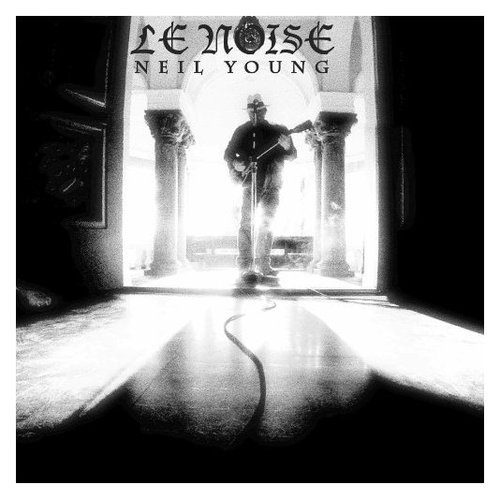
Of the three packages, only Neil Young's Le Noise (due September 28) is a brand new studio album consisting entirely of music recorded earlier this year (with producer Daniel Lanois). The Dylan and Springsteen packages however, are both retrospectives drawing from the past work of each artist, while also containing rare and previously unreleased material.
Dylan's The Witmark Demos (in stores on October 19) is the ninth volume of his Bootleg Series, and focuses on rare demo recordings made between 1962-1964, including early versions of some of Dylan's most famous songs like "The Times They Are A Changin'" and "Blowin' In The Wind," as well as much rarer, never before heard material.
Springsteen's The Promise: The Darkness On The Edge Of Town Story (which arrives November 16) is an ambitious deluxe re-imagining of his 1978 classic Darkness On The Edge Of Town album. It comes in a deluxe boxed set housing 3 CDs, 3 DVDs (or Blu-ray discs) packed with such extras as live concert footage and rarely heard outtakes. There's even a previously unheard (if somewhat manufactured specifically for this set) "lost album" called The Promise.
What follows is a quick preview of each of these albums, including our thoughts on this "trifecta" from rock's holy trinity, and just how we rate their chances at music retail this fall.
Neil Young - Le Noise
In a lot of ways, this could be seen as merely the latest in a long line of experimental albums from Neil Young — if only the songs we've heard so far didn't sound so damn good.
But on paper, everything about Le Noise from the title on down screams classic Neil Young weirdness. From what we know, this is a mostly solo record (although we have also heard that Young is accompanied on at least some of the songs by the late Ben Keith), but is also not your usual folkie Harvest type acoustic outing.
Here instead, Neil is mostly cranking up the electric guitar — aided by the "sonics" of producer Daniel Lanois. But before you run like hell thinking this could be another 40 minutes of feedback noise a la' the infamous Arc disc of Neil's live Arc-Weld with Crazy Horse, most of these songs have been previewed on Neil Young's current Twisted Road tour and both audiences and critics alike have been near unanimous in their praise. Songs like the autobiographical "Hitchhiker" and "Love And War" also find Neil Young reflecting on issues like his own mortality like no other album since Prairie Wind. This is also a nice warm up for the next round of Neil's Archives discs, which will include the first official appearances of the "lost albums" Homegrown, Chrome Dreams, Toast and Oceanside, Countryside.
Verdict: This won't be a huge commercial hit, but should do solid business with Neil Young's core fanbase. It should also do much better than 2009's Fork In The Road did with the critics, and will very likely make a few year-end "Best Of 2010" lists. This could be one of this years bigger sleepers.
Le Noise Songlist:
01. Walk With Me
02. Sign Of Love
03. Someone’s Gonna Rescue You
04. Love And War
05. Angry World
06. Hitchhiker
07. Peaceful Valley Boulevard
08. Rumblin
Bob Dylan - The Bootleg Series Vol. 9: The Witmark Demos: 1962-1964
Like Neil Young's Archives, Dylan's Bootleg Series has proven to be a treasure-trove for Dylanologists and other collectors, and in many ways The Witmark Demos is the most intriguing entry yet — at least from a historical perspective.
Comprised of some of Dylan's earliest demos (the album is apparently named for one of his first publishers, M. Witmark And Sons), it features early recordings of Dylan standards like "Masters of War," "Mr. Tambourine Man" and "Blowin' In The Wind." But more intriguing is the inclusion of never before heard songs from the same period with titles like “Guess I’m Doing Fine,” “Long Ago, Far Away” and “Ballad for a Friend.”
Dylan continues to tour non-stop (he'll be headlining Seattle's annual Bumbershoot Festival over Labor Day weekend). But with no followup to 2009's Together Through Life on the horizon in the immediate future, this 48-song, two-disc collection should tide Dylan fans over quite nicely.
Verdict: Dylan's Bootleg Series always does solid numbers among fans — with many of the hardcores preferring the rarities to his newer material. Interest could be even higher here, because of the period, and the vintage of the songs involved.
Witmark Demos Songlist:
Disc: 1
1. Man On The Street (Fragment)
2. Hard Times In New York Town
3. Poor Boy Blues
4. Ballad For A Friend
5. Rambling, Gambling Willie
6. Talking Bear Mountain Picnic Massacre Blues
7. Standing On The Highway
8. Man On The Street
9. Blowin’ In The Wind
10. Long Ago, Far Away
11. A Hard Rain’s A-Gonna Fall
12. Tomorrow Is A Long Time
13. The Death of Emmett Till
14. Let Me Die In My Footsteps
15. Ballad Of Hollis Brown
16. Quit Your Low Down Ways
17. Baby, I’m In The Mood For You
18. Bound To Lose, Bound To Win
19. All Over You
20. I’d Hate To Be You On That Dreadful Day
21. Long Time Gone
22. Talkin’ John Birch Paranoid Blues
23. Masters Of War
24. Oxford Town
25. Farewell
Disc 2
1. Don’t Think Twice, It’s All Right
2. Walkin’ Down The Line
3. I Shall Be Free
4. Bob Dylan’s Blues
5. Bob Dylan’s Dream
6. Boots Of Spanish Leather
7. Walls of Red Wing
8. Girl From The North Country
9. Seven Curses
10. Hero Blues
11. Whatcha Gonna Do?
12. Gypsy Lou
13. Ain’t Gonna Grieve
14. John Brown
15. Only A Hobo
16. When The Ship Comes In
17. The Times They Are A-Changin’
18. Paths Of Victory
19. Guess I’m Doing Fine
20. Baby Let Me Follow You Down
21. Mama, You Been On My Mind
22. Mr. Tambourine Man
23. I’ll Keep It With Mine
Bruce Springsteen - The Promise: The Darkness On The Edge Of Town Story
Springsteen fans have been salivating for this one for a couple of years now (it was originally supposed to come out as a 30th anniversary box back in 2008), but they will be more than happy for the wait. The Darkness box doubles the three discs of 2005's Born To Run remastered deluxe set, and fully more than three quarters of it is comprised of previously unreleased, or otherwise never before seen or heard material.
The biggest news here is the two CDs of studio outtakes from the original Darkness sessions, which have been compiled into a manufactured "lost album" called The Promise.
These include such widely bootlegged songs as "The Promise" (presumably we finally get the first official release of the full E Street Band version here), "Because The Night" and "Spanish Eyes."
But there also some titles which will be new even to hardcore Springsteen collectors with interesting titles like "The Brokenhearted" and "(Someday) We'll Be Together" (which I'm assuming isn't a Diana Ross cover).
The live DVD material also looks pretty amazing. In addition to a full 1978 concert from Houston (said to consist of footage taken from the overhead screens), there is live "Thrill Hill Vault" footage from 1976-1978, and the complete 2009 performance of Darkness taken from the Paramount Theater in Asbury Park, NJ.
Rather than run down the entire track listing, I'll point you towards Josh Hathaway's preview elsewhere on Blogcritics. But man, I'm licking my chops for this one!
Verdict: It's a six-disc boxed set, and it's likely to be pricey. But for Bruce fans, this is a long sought after holy grail of sorts. Expect them to respond accordingly.
This article was first published at Blogcritics Magazine as Dylan, Springsteen And Neil Young: The Coming Fall Trifecta From Rock's Holy Trinity
The upcoming fall new music release calendar just got a lot more interesting with announcements made this week within just days of each other of new albums from three of rock's most iconic, legendary figures.
Although new albums from Bob Dylan, Bruce Springsteen and Neil Young might not have music retailers seeing big dollar signs the same way that a (likely on the way) new Kings Of Leon or (not so likely) Coldplay record would, it's still a positive sign that the record labels are showing more of a willingness to roll out the big guns this Christmas season.
While nobody can realistically expect these three albums to do anything resembling humongous numbers, what they will do is provide as good a reason as any in recent years to get the still viable baby boomer demographic out of their cubbyholes and back into the record stores this fall. Still, this rarely seen sixty-day window of new albums by what many regard as the holy trinity of rock's greatest living songwriters doesn't come without at least a few caveats.
For one thing, not all of these albums are exactly new.
Of the three packages, only Neil Young's Le Noise (due September 28) is a brand new studio album consisting entirely of music recorded earlier this year (with producer Daniel Lanois). The Dylan and Springsteen packages however, are both retrospectives drawing from the past work of each artist, while also containing rare and previously unreleased material.
Dylan's The Witmark Demos (in stores on October 19) is the ninth volume of his Bootleg Series, and focuses on rare demo recordings made between 1962-1964, including early versions of some of Dylan's most famous songs like "The Times They Are A Changin'" and "Blowin' In The Wind," as well as much rarer, never before heard material.
Springsteen's The Promise: The Darkness On The Edge Of Town Story (which arrives November 16) is an ambitious deluxe re-imagining of his 1978 classic Darkness On The Edge Of Town album. It comes in a deluxe boxed set housing 3 CDs, 3 DVDs (or Blu-ray discs) packed with such extras as live concert footage and rarely heard outtakes. There's even a previously unheard (if somewhat manufactured specifically for this set) "lost album" called The Promise.
What follows is a quick preview of each of these albums, including our thoughts on this "trifecta" from rock's holy trinity, and just how we rate their chances at music retail this fall.
Neil Young - Le Noise
In a lot of ways, this could be seen as merely the latest in a long line of experimental albums from Neil Young — if only the songs we've heard so far didn't sound so damn good.
But on paper, everything about Le Noise from the title on down screams classic Neil Young weirdness. From what we know, this is a mostly solo record (although we have also heard that Young is accompanied on at least some of the songs by the late Ben Keith), but is also not your usual folkie Harvest type acoustic outing.
Here instead, Neil is mostly cranking up the electric guitar — aided by the "sonics" of producer Daniel Lanois. But before you run like hell thinking this could be another 40 minutes of feedback noise a la' the infamous Arc disc of Neil's live Arc-Weld with Crazy Horse, most of these songs have been previewed on Neil Young's current Twisted Road tour and both audiences and critics alike have been near unanimous in their praise. Songs like the autobiographical "Hitchhiker" and "Love And War" also find Neil Young reflecting on issues like his own mortality like no other album since Prairie Wind. This is also a nice warm up for the next round of Neil's Archives discs, which will include the first official appearances of the "lost albums" Homegrown, Chrome Dreams, Toast and Oceanside, Countryside.
Verdict: This won't be a huge commercial hit, but should do solid business with Neil Young's core fanbase. It should also do much better than 2009's Fork In The Road did with the critics, and will very likely make a few year-end "Best Of 2010" lists. This could be one of this years bigger sleepers.
Le Noise Songlist:
01. Walk With Me
02. Sign Of Love
03. Someone’s Gonna Rescue You
04. Love And War
05. Angry World
06. Hitchhiker
07. Peaceful Valley Boulevard
08. Rumblin
Bob Dylan - The Bootleg Series Vol. 9: The Witmark Demos: 1962-1964
Like Neil Young's Archives, Dylan's Bootleg Series has proven to be a treasure-trove for Dylanologists and other collectors, and in many ways The Witmark Demos is the most intriguing entry yet — at least from a historical perspective.
Comprised of some of Dylan's earliest demos (the album is apparently named for one of his first publishers, M. Witmark And Sons), it features early recordings of Dylan standards like "Masters of War," "Mr. Tambourine Man" and "Blowin' In The Wind." But more intriguing is the inclusion of never before heard songs from the same period with titles like “Guess I’m Doing Fine,” “Long Ago, Far Away” and “Ballad for a Friend.”
Dylan continues to tour non-stop (he'll be headlining Seattle's annual Bumbershoot Festival over Labor Day weekend). But with no followup to 2009's Together Through Life on the horizon in the immediate future, this 48-song, two-disc collection should tide Dylan fans over quite nicely.
Verdict: Dylan's Bootleg Series always does solid numbers among fans — with many of the hardcores preferring the rarities to his newer material. Interest could be even higher here, because of the period, and the vintage of the songs involved.
Witmark Demos Songlist:
Disc: 1
1. Man On The Street (Fragment)
2. Hard Times In New York Town
3. Poor Boy Blues
4. Ballad For A Friend
5. Rambling, Gambling Willie
6. Talking Bear Mountain Picnic Massacre Blues
7. Standing On The Highway
8. Man On The Street
9. Blowin’ In The Wind
10. Long Ago, Far Away
11. A Hard Rain’s A-Gonna Fall
12. Tomorrow Is A Long Time
13. The Death of Emmett Till
14. Let Me Die In My Footsteps
15. Ballad Of Hollis Brown
16. Quit Your Low Down Ways
17. Baby, I’m In The Mood For You
18. Bound To Lose, Bound To Win
19. All Over You
20. I’d Hate To Be You On That Dreadful Day
21. Long Time Gone
22. Talkin’ John Birch Paranoid Blues
23. Masters Of War
24. Oxford Town
25. Farewell
Disc 2
1. Don’t Think Twice, It’s All Right
2. Walkin’ Down The Line
3. I Shall Be Free
4. Bob Dylan’s Blues
5. Bob Dylan’s Dream
6. Boots Of Spanish Leather
7. Walls of Red Wing
8. Girl From The North Country
9. Seven Curses
10. Hero Blues
11. Whatcha Gonna Do?
12. Gypsy Lou
13. Ain’t Gonna Grieve
14. John Brown
15. Only A Hobo
16. When The Ship Comes In
17. The Times They Are A-Changin’
18. Paths Of Victory
19. Guess I’m Doing Fine
20. Baby Let Me Follow You Down
21. Mama, You Been On My Mind
22. Mr. Tambourine Man
23. I’ll Keep It With Mine
Bruce Springsteen - The Promise: The Darkness On The Edge Of Town Story
Springsteen fans have been salivating for this one for a couple of years now (it was originally supposed to come out as a 30th anniversary box back in 2008), but they will be more than happy for the wait. The Darkness box doubles the three discs of 2005's Born To Run remastered deluxe set, and fully more than three quarters of it is comprised of previously unreleased, or otherwise never before seen or heard material.
The biggest news here is the two CDs of studio outtakes from the original Darkness sessions, which have been compiled into a manufactured "lost album" called The Promise.These include such widely bootlegged songs as "The Promise" (presumably we finally get the first official release of the full E Street Band version here), "Because The Night" and "Spanish Eyes."
But there also some titles which will be new even to hardcore Springsteen collectors with interesting titles like "The Brokenhearted" and "(Someday) We'll Be Together" (which I'm assuming isn't a Diana Ross cover).
The live DVD material also looks pretty amazing. In addition to a full 1978 concert from Houston (said to consist of footage taken from the overhead screens), there is live "Thrill Hill Vault" footage from 1976-1978, and the complete 2009 performance of Darkness taken from the Paramount Theater in Asbury Park, NJ.
Rather than run down the entire track listing, I'll point you towards Josh Hathaway's preview elsewhere on Blogcritics. But man, I'm licking my chops for this one!
Verdict: It's a six-disc boxed set, and it's likely to be pricey. But for Bruce fans, this is a long sought after holy grail of sorts. Expect them to respond accordingly.
This article was first published at Blogcritics Magazine as Dylan, Springsteen And Neil Young: The Coming Fall Trifecta From Rock's Holy Trinity
Friday, August 20, 2010
American Tyler? Say It Aint' So, Steve
So this is what Steven meant by "Brand Tyler," then?
Look, I can forgive Aerosmith for participating in the Bee Gees' legendarily rancid remake of Sgt. Peppers Lonely Hearts Club Band back in 1978...well okay, almost. Aerosmith's version of "Come Together" was actually one of the few highlights of that soundtrack (along with Earth Wind & Fire doing "Got To Get You Into My Life").
I'm also willing to give American Idol all due props for making the world a slightly better place by introducing us to the likes of Carrie Underwood and "Pants On The Ground" guy. Clay Aiken and Adam Lambert on the other hand, maybe not so much.
But one-time rock god Steven Tyler judging the world's greatest karaoke contest each week on national TV? You've got to be kidding, right?
Well, let's be honest here. Tyler's own once mighty rock-cred has been in jeopardy for some time now. Theme parks and SuperBowl appearances alongside Justin Timberlake and Britney Spears aside, Aerosmith's once mightily rolling train probably left the station for good back in the mid-eighties around the time they traded the cock-rock anthems like "Lord Of The Thighs" in for all of those horrid power ballads...and I'm not referring to "Dream On" either.
Speaking of "Dream On," let's talk about Tyler as a singer for a minute. Just how many decades has it been since he was able to hit those high-pitched screams on the aforementioned "Dream On" onstage anyway? That sarcastic giggle you hear is Simon Cowell laughing his ass off the first time Tyler has the stones to call one of his Idol hopefuls a little "pitchy."
Speaking of Simon, whatever happened to all the talk of bringing Howard Stern on board to fill his chair? Whether you love him or hate him, there's no doubt that Stern's caustic personality would have made a better fit. Stern would have also added some much needed humor to the mix, at exactly the time this once unstoppable, now precariously teetering franchise could most use it.
As for American Ty-dol? Sorry Dawg, Not buying it. There, I Said It!
This article was first published as American Tyler? at Blogcritics Magazine.
So this is what Steven meant by "Brand Tyler," then?
Look, I can forgive Aerosmith for participating in the Bee Gees' legendarily rancid remake of Sgt. Peppers Lonely Hearts Club Band back in 1978...well okay, almost. Aerosmith's version of "Come Together" was actually one of the few highlights of that soundtrack (along with Earth Wind & Fire doing "Got To Get You Into My Life").
I'm also willing to give American Idol all due props for making the world a slightly better place by introducing us to the likes of Carrie Underwood and "Pants On The Ground" guy. Clay Aiken and Adam Lambert on the other hand, maybe not so much.
But one-time rock god Steven Tyler judging the world's greatest karaoke contest each week on national TV? You've got to be kidding, right?
Well, let's be honest here. Tyler's own once mighty rock-cred has been in jeopardy for some time now. Theme parks and SuperBowl appearances alongside Justin Timberlake and Britney Spears aside, Aerosmith's once mightily rolling train probably left the station for good back in the mid-eighties around the time they traded the cock-rock anthems like "Lord Of The Thighs" in for all of those horrid power ballads...and I'm not referring to "Dream On" either.
Speaking of "Dream On," let's talk about Tyler as a singer for a minute. Just how many decades has it been since he was able to hit those high-pitched screams on the aforementioned "Dream On" onstage anyway? That sarcastic giggle you hear is Simon Cowell laughing his ass off the first time Tyler has the stones to call one of his Idol hopefuls a little "pitchy."
Speaking of Simon, whatever happened to all the talk of bringing Howard Stern on board to fill his chair? Whether you love him or hate him, there's no doubt that Stern's caustic personality would have made a better fit. Stern would have also added some much needed humor to the mix, at exactly the time this once unstoppable, now precariously teetering franchise could most use it.
As for American Ty-dol? Sorry Dawg, Not buying it. There, I Said It!
This article was first published as American Tyler? at Blogcritics Magazine.
Friday, August 13, 2010
Three Sides Of Nils Lofgren Live At Rockpalast
Music DVD Review: Nils Lofgren - Cry Tough

Although not exactly a household name, Nils Lofgren has had one of the more amazing careers in rock and roll history.
Not many guitarists can make the claim of playing with both Neil Young and Bruce Springsteen on their resume. Nils Lofgren can.
Legend also has it that Lofgren was taught how to play the guitar by his neighbor, blues legend Roy Buchanan. Beat that if you think you can.
Asked as a mere teenager to join the sessions for Neil Young's After The Gold Rush album (by none other than Young himself), Nils was later tapped again by Neil for a number of tours — including the legendary shows premiering the songs from Tonight's The Night, and the infamous Trans shows of the early eighties.
Just a year after completing the Trans tour with Young, Lofgren would go on to fill Little Steven's considerable shoes in the E Street Band on the eve of Bruce Springsteen's star-making Born In The U.S.A. stadium tour.
What's less known though, is that Lofgren has had an equally impressive — if somewhat more sporadic — run as a solo artist.
Beginning with the four, now highly regarded albums he recorded with his first group Grin, and continuing on with albums like Cry Tough, I Came To Dance and the legendary "official bootleg" Back It Up, Nils Lofgren has also proven himself to be every bit as formidable a songwriter as he is a guitarist.
With songs ranging from beautiful ballads like "Valentine" to his rocking ode to Keith Richards "Keith, Don't Go," you can actually call Nils Lofgren a bit of a rock and roll renaissance man.
Many of these songs, including "Keith, Don't Go," "Back It Up," and "Cry Tough" show up as many as three times over the course of the four hour plus(!) running time of Eagle Rock's great new double-disc compilation of live performances taken from the German television rock concert showcase series Rockpalast.
Spread out over two DVD discs, Cry Tough (the title is taken from Lofgren's 1976 album of the same name), brings together Nils Lofgren's complete Rockpalast performances from three distinct periods of his career — from the years 1976, 1979, and 1991.
Of the three, it is perhaps the 1991 concert — which takes up all of disc one — that offers up the best overall picture of Lofgren's considerable prowess as a virtuoso guitarist.
Coming off of Springsteen's stadium tour for Born In The U.S.A., Lofgren nonetheless seems quite comfortable in the much smaller setting captured here, effortlessly switching from a tasteful acoustic reading of "Keith, Don't Go," to a full-on electric raveup of the song after being joined by the rest of his band halfway through.
From there, Nils turns in some burning slide guitar work on "Cry Tough." By the time of "Gun And Run," he's playing behind his back and with his teeth Hendrix style.
It should also be noted here that Lofgren's band for this show — including guitarist and veteran Neil Young sideman Larry Cragg — is nothing short of top-notch.
The 1976 Rockpalast show which opens the second disc finds Lofgren doing a much rawer, funkier take on "Cry Tough."
For "Going Back," Lofgren gets behind the keyboard and proves to be every bit the house of fire that he is on the guitar (legend has it that Lofgren only learned the keys after Neil Young forced his hand for the sessions on After The Gold Rush).
Lofgren sounds absolutely amazing on the keys here, channeling the best barroom soul of a Faces-era Ian McLagan. Of the three complete concerts captured on this collection, the 1976 set is by far the rawest and most rocking, (and in the best Small Faces, Exile-era Stones sort of way).
For the 1979 performance which closes out the second disc, we find Nils Lofgren at the halfway point, performing before a much larger festival-sized crowd with a band whose look already seems to be anticipating the MTV eighties. Regardless, they still sound great.
Lofgren also rises here to the challenge of his impending rock stardom like a true champ — although of the three versions of "Keith, Don't Go" on this set, this is by far the most anemic — paling particularly in comparison to the rawer 1976 version.
Once again, he also turns in some amazing slide guitar work for the third performance on this set of "Cry Tough" — this time mugging like a true rock star before the TV cameras.
Oh yeah, and he also does a backflip off the trampoline too (during "Back It Up").
Can you say "awesome"?
Music DVD Review: Nils Lofgren - Cry Tough

Although not exactly a household name, Nils Lofgren has had one of the more amazing careers in rock and roll history.
Not many guitarists can make the claim of playing with both Neil Young and Bruce Springsteen on their resume. Nils Lofgren can.
Legend also has it that Lofgren was taught how to play the guitar by his neighbor, blues legend Roy Buchanan. Beat that if you think you can.
Asked as a mere teenager to join the sessions for Neil Young's After The Gold Rush album (by none other than Young himself), Nils was later tapped again by Neil for a number of tours — including the legendary shows premiering the songs from Tonight's The Night, and the infamous Trans shows of the early eighties.
Just a year after completing the Trans tour with Young, Lofgren would go on to fill Little Steven's considerable shoes in the E Street Band on the eve of Bruce Springsteen's star-making Born In The U.S.A. stadium tour.
What's less known though, is that Lofgren has had an equally impressive — if somewhat more sporadic — run as a solo artist.
Beginning with the four, now highly regarded albums he recorded with his first group Grin, and continuing on with albums like Cry Tough, I Came To Dance and the legendary "official bootleg" Back It Up, Nils Lofgren has also proven himself to be every bit as formidable a songwriter as he is a guitarist.
With songs ranging from beautiful ballads like "Valentine" to his rocking ode to Keith Richards "Keith, Don't Go," you can actually call Nils Lofgren a bit of a rock and roll renaissance man.
Many of these songs, including "Keith, Don't Go," "Back It Up," and "Cry Tough" show up as many as three times over the course of the four hour plus(!) running time of Eagle Rock's great new double-disc compilation of live performances taken from the German television rock concert showcase series Rockpalast.
Spread out over two DVD discs, Cry Tough (the title is taken from Lofgren's 1976 album of the same name), brings together Nils Lofgren's complete Rockpalast performances from three distinct periods of his career — from the years 1976, 1979, and 1991.
Of the three, it is perhaps the 1991 concert — which takes up all of disc one — that offers up the best overall picture of Lofgren's considerable prowess as a virtuoso guitarist.
Coming off of Springsteen's stadium tour for Born In The U.S.A., Lofgren nonetheless seems quite comfortable in the much smaller setting captured here, effortlessly switching from a tasteful acoustic reading of "Keith, Don't Go," to a full-on electric raveup of the song after being joined by the rest of his band halfway through.
From there, Nils turns in some burning slide guitar work on "Cry Tough." By the time of "Gun And Run," he's playing behind his back and with his teeth Hendrix style.
It should also be noted here that Lofgren's band for this show — including guitarist and veteran Neil Young sideman Larry Cragg — is nothing short of top-notch.
The 1976 Rockpalast show which opens the second disc finds Lofgren doing a much rawer, funkier take on "Cry Tough."
For "Going Back," Lofgren gets behind the keyboard and proves to be every bit the house of fire that he is on the guitar (legend has it that Lofgren only learned the keys after Neil Young forced his hand for the sessions on After The Gold Rush).
Lofgren sounds absolutely amazing on the keys here, channeling the best barroom soul of a Faces-era Ian McLagan. Of the three complete concerts captured on this collection, the 1976 set is by far the rawest and most rocking, (and in the best Small Faces, Exile-era Stones sort of way).
For the 1979 performance which closes out the second disc, we find Nils Lofgren at the halfway point, performing before a much larger festival-sized crowd with a band whose look already seems to be anticipating the MTV eighties. Regardless, they still sound great.
Lofgren also rises here to the challenge of his impending rock stardom like a true champ — although of the three versions of "Keith, Don't Go" on this set, this is by far the most anemic — paling particularly in comparison to the rawer 1976 version.
Once again, he also turns in some amazing slide guitar work for the third performance on this set of "Cry Tough" — this time mugging like a true rock star before the TV cameras.
Oh yeah, and he also does a backflip off the trampoline too (during "Back It Up").
Can you say "awesome"?
Friday, August 6, 2010
Rodney Bingenheimer, The Runaways, And The Cult Of Personality
As a rock and roll kid growing up in the seventies, I was never a big fan of the Runaways. But I was still keenly enough aware of them — thanks to the constant hype they got through rock magazines like Creem, Circus and Rock Scene. I religiously devoured all of them from cover-to-cover each month as a sixteen year old rock fan.
Why exactly the Runaways slipped past my radar growing up as a teenage glam-rocker I couldn't really tell you. I was certainly into all the other seventies glam bands from Alice and Bowie to T.Rex and Mott The Hoople. But despite my own wildly raging hormones, the whole teenage jail-bait schtick of the all-girl Runaways just never did it for me.
Even so, I recognize and respect their influence enough today — paving the way for all-girl bands like the Go-Gos, the Bangles and The Donnas as they did — that I was probably as excited as anyone else to see their story get the Hollywood treatment with this year's rock-biopic The Runaways.
For those who missed The Runaways in theaters, I can't recommend at least renting the DVD highly enough. But I am also going to make an additional recommendation.
If you can find it, and if you have an entire night to devote to it, watch The Runaways back-to-back with the DVD Mayor Of The Sunset Strip as I did this week. For a complete picture of the seventies glam-rock scene that spawned the Runaways (among others), as well as how it was seen through the first-hand eyes of one of its primary scene-makers, Rodney Bingenheimer, you simply won't find a better twofer.
Bingenheimer's character appears only briefly in The Runaways film, in a pivotal scene that takes place outside Bingenheimer's English Disco club in L.A., as Joan Jett has her fateful encounter with future Runaways promoter Kim Fowley.
Surprisingly, given the enormous influence that both Bingenheimer and his English Disco club wielded in the seventies L.A. glam-rock scene back then, his character doesn't even get any lines. Bingenheimer was absolutely a major player in the development of seventies glam-rock, but you wouldn't know it watching The Runaways.
This, along with the fact that The Runaways focuses on Joan Jett and Cherie Currie to the near total exclusion of the other members, are probably the two most glaring omissions of this otherwise historically very accurate film. Even as the credits make mention of Jett's subsequent success as a punk-rocker, guitarist Lita Ford's own post-Runaways career as a heavy metal babe is simply ignored altogether. Go, figure.
Otherwise, the film mostly tells its story well, and the performances are all pretty great.
Kristen Stewart in particular nails Joan Jett — the tough-as-nails teen-queen whose heart bleeds rock and roll. Michael Shannon is also deliciously disgusting as the vampiric, bloodsucking scumbag Kim Fowley, and delivers what is arguably the best line of the entire film in "Jail Fucking Bait, Jack Fucking Pot." It's a little weird seeing former child-actor Dakota Fanning all slutted-up in garters and lace as sexpot singer Cherie Currie. But to her credit she pulls the role off quite convincingly.
However, where The Runaways succeeds in telling the story of how these five impressionable, and quite underage teenage girls were seduced by rock and roll — and subsequently criminally exploited by two-bit music biz hustlers like Fowley — there's also one big chunk of this story that's missing.
For one thing, what the hell were a couple of minors like Jett and Currie doing hanging out in a glam-rock sleaze-pit like Rodney Bingenheimer's English Disco in the first place? Mayor Of The Sunset Strip not only fills in those holes, but in doing so, also tells the unexpectedly tragic story of Bingenheimer himself.
Reading about the decadence and debauchery that went on at Bingenheimer's club as a teenager, I would have never pegged him as a sympathetic character at all.
In fact, based on the stories and pictures in rock-rags like Creem back then, I'd have probably put him in the same morally bankrupt category as a sleazeball like Fowley. What I found instead in Rodney was what not only what seems to be a very likable, if clearly lonely guy, but a story which strangely moved and lingered with me quite deeply for several days afterward.
While its true that Bingenheimer was probably no angel back then — and the scenes of the seventies-era Bingenheimer groping topless teens at his club in Mayor Of The Sunset Strip certainly bears witness to this — a picture begins to emerge which contrasts sharply with a lot of the wilder stories.
Scenes from the glory days of the English Disco may show young, half-naked girls alongside glam-rock stars like Iggy Pop and David Johansen of the New York Dolls. Still, you can't help but think that some of the stories might have been rather exaggerated when it comes to Rodney himself.
Even as Fowley brags of Bingenheimer's sexual prowess — claiming he got more girls than even a seventies rock-god like Robert Plant — it's a picture that just doesn't quite add up. Sitting alongside Fowley, Bingenheimer cuts a diminutive, almost painfully shy figure that comes across as the polar opposite of Fowley's slimeball huckster.
The fact is, you get the distinct impression of Rodney as a guy who couldn't get laid in a brothel flashing a fistful of hundreds. These couldn't be two more different people.
In reality, the Rodney Bingenheimer seen in Mayor Of The Sunset Strip comes across as something more like a man out of time. He clearly still loves rock and roll passionately. But more than that, he seems to have become trapped by the same cult of personality that so many of those in Hollywood who've dedicated their lives to celebrity have before him. At times, Bingenheimer seems more like a ghost.
With his once trailblazing KROQ radio show Rodney On The ROQ now relegated to the graveyard shift on Sunday nights, Rodney still fights the good fight. But the position appears to be a largely ceremonial one. In one scene, a fellow KROQ DJ sums it up by saying that KROQ's target 18 to 24 year old audience isn't interested in hearing Sonny & Cher or The Beach Boys.
More often, Rodney is seen in private moments haunting a window booth at L.A.'s infamous "Rock And Roll Denny's" or at Canter's Deli (who have even dedicated a seat to him). He is also seen at his small apartment, tripping over the sea of rock memorabilia that make up this shrine to an era which all too sadly seems to have left him behind.
Still wearing his trademark spiked pageboy bowl-cut, Rodney seems more than anything like a figure tragically trapped by own his rock and roll past. His closest friends include a burned out space-cadet (complete with spacesuit), would-be rock star who sings songs about Jennifer Love Hewitt to the tune of old Moody Blues' hits (which Rodney dutifully plays on his radio show).
There's also a semi-girlfriend named Camille who clearly doesn't return Rodney's romantic intentions (as seen in one of this film's sadder scenes), but rather seems to be using him to satisfy her own hunger to get close to celebrities. Although Rodney is still acknowledged by some of the superstars whose careers he once helped shape like David Bowie, here again the debt appears to be one more of gratitude than anything more genuine.
In one of the more telling scenes from The Mayor Of The Sunset Strip, Rodney Bingenheimer is shown in a heated backstage exchange with Chris Carter, a former member of Dramarama (who got their first break from Bingenheimer) over the latter starting his own competing radio show. Carter is also one of the producers of this film.
Even more heartbreaking is a scene of Rodney scattering the ashes of his deceased mother in England, as the song "Good Souls" by StarSailor (another of the many bands Bingenheimer helped break in America) plays poignantly in the background.
Like The Runaways before him, Rodney Bingenheimer's story as told in Mayor Of The Sunset Strip is proof that the rock and roll business often eats its own, particularly in Hollywood. Taken together, The Runaways and The Mayor Of The Sunset Strip offer two opposing, yet strangely complimentary sides of the same story. In Hollywood, and in rock and roll, there are victims and there are also those who survive.
Watch them together in one sitting if you can. You won't be disappointed.
This article was first published as Rodney Bingenheimer, The Runaways, And The Cult Of Personality at Blogcritics Magazine.
As a rock and roll kid growing up in the seventies, I was never a big fan of the Runaways. But I was still keenly enough aware of them — thanks to the constant hype they got through rock magazines like Creem, Circus and Rock Scene. I religiously devoured all of them from cover-to-cover each month as a sixteen year old rock fan.
Why exactly the Runaways slipped past my radar growing up as a teenage glam-rocker I couldn't really tell you. I was certainly into all the other seventies glam bands from Alice and Bowie to T.Rex and Mott The Hoople. But despite my own wildly raging hormones, the whole teenage jail-bait schtick of the all-girl Runaways just never did it for me.
Even so, I recognize and respect their influence enough today — paving the way for all-girl bands like the Go-Gos, the Bangles and The Donnas as they did — that I was probably as excited as anyone else to see their story get the Hollywood treatment with this year's rock-biopic The Runaways.
For those who missed The Runaways in theaters, I can't recommend at least renting the DVD highly enough. But I am also going to make an additional recommendation.
If you can find it, and if you have an entire night to devote to it, watch The Runaways back-to-back with the DVD Mayor Of The Sunset Strip as I did this week. For a complete picture of the seventies glam-rock scene that spawned the Runaways (among others), as well as how it was seen through the first-hand eyes of one of its primary scene-makers, Rodney Bingenheimer, you simply won't find a better twofer.
Bingenheimer's character appears only briefly in The Runaways film, in a pivotal scene that takes place outside Bingenheimer's English Disco club in L.A., as Joan Jett has her fateful encounter with future Runaways promoter Kim Fowley.
Surprisingly, given the enormous influence that both Bingenheimer and his English Disco club wielded in the seventies L.A. glam-rock scene back then, his character doesn't even get any lines. Bingenheimer was absolutely a major player in the development of seventies glam-rock, but you wouldn't know it watching The Runaways.
This, along with the fact that The Runaways focuses on Joan Jett and Cherie Currie to the near total exclusion of the other members, are probably the two most glaring omissions of this otherwise historically very accurate film. Even as the credits make mention of Jett's subsequent success as a punk-rocker, guitarist Lita Ford's own post-Runaways career as a heavy metal babe is simply ignored altogether. Go, figure.
Otherwise, the film mostly tells its story well, and the performances are all pretty great.
Kristen Stewart in particular nails Joan Jett — the tough-as-nails teen-queen whose heart bleeds rock and roll. Michael Shannon is also deliciously disgusting as the vampiric, bloodsucking scumbag Kim Fowley, and delivers what is arguably the best line of the entire film in "Jail Fucking Bait, Jack Fucking Pot." It's a little weird seeing former child-actor Dakota Fanning all slutted-up in garters and lace as sexpot singer Cherie Currie. But to her credit she pulls the role off quite convincingly.
However, where The Runaways succeeds in telling the story of how these five impressionable, and quite underage teenage girls were seduced by rock and roll — and subsequently criminally exploited by two-bit music biz hustlers like Fowley — there's also one big chunk of this story that's missing.
For one thing, what the hell were a couple of minors like Jett and Currie doing hanging out in a glam-rock sleaze-pit like Rodney Bingenheimer's English Disco in the first place? Mayor Of The Sunset Strip not only fills in those holes, but in doing so, also tells the unexpectedly tragic story of Bingenheimer himself.
Reading about the decadence and debauchery that went on at Bingenheimer's club as a teenager, I would have never pegged him as a sympathetic character at all.
In fact, based on the stories and pictures in rock-rags like Creem back then, I'd have probably put him in the same morally bankrupt category as a sleazeball like Fowley. What I found instead in Rodney was what not only what seems to be a very likable, if clearly lonely guy, but a story which strangely moved and lingered with me quite deeply for several days afterward.
While its true that Bingenheimer was probably no angel back then — and the scenes of the seventies-era Bingenheimer groping topless teens at his club in Mayor Of The Sunset Strip certainly bears witness to this — a picture begins to emerge which contrasts sharply with a lot of the wilder stories.
Scenes from the glory days of the English Disco may show young, half-naked girls alongside glam-rock stars like Iggy Pop and David Johansen of the New York Dolls. Still, you can't help but think that some of the stories might have been rather exaggerated when it comes to Rodney himself.
Even as Fowley brags of Bingenheimer's sexual prowess — claiming he got more girls than even a seventies rock-god like Robert Plant — it's a picture that just doesn't quite add up. Sitting alongside Fowley, Bingenheimer cuts a diminutive, almost painfully shy figure that comes across as the polar opposite of Fowley's slimeball huckster.
The fact is, you get the distinct impression of Rodney as a guy who couldn't get laid in a brothel flashing a fistful of hundreds. These couldn't be two more different people.
In reality, the Rodney Bingenheimer seen in Mayor Of The Sunset Strip comes across as something more like a man out of time. He clearly still loves rock and roll passionately. But more than that, he seems to have become trapped by the same cult of personality that so many of those in Hollywood who've dedicated their lives to celebrity have before him. At times, Bingenheimer seems more like a ghost.
With his once trailblazing KROQ radio show Rodney On The ROQ now relegated to the graveyard shift on Sunday nights, Rodney still fights the good fight. But the position appears to be a largely ceremonial one. In one scene, a fellow KROQ DJ sums it up by saying that KROQ's target 18 to 24 year old audience isn't interested in hearing Sonny & Cher or The Beach Boys.
More often, Rodney is seen in private moments haunting a window booth at L.A.'s infamous "Rock And Roll Denny's" or at Canter's Deli (who have even dedicated a seat to him). He is also seen at his small apartment, tripping over the sea of rock memorabilia that make up this shrine to an era which all too sadly seems to have left him behind.
Still wearing his trademark spiked pageboy bowl-cut, Rodney seems more than anything like a figure tragically trapped by own his rock and roll past. His closest friends include a burned out space-cadet (complete with spacesuit), would-be rock star who sings songs about Jennifer Love Hewitt to the tune of old Moody Blues' hits (which Rodney dutifully plays on his radio show).
There's also a semi-girlfriend named Camille who clearly doesn't return Rodney's romantic intentions (as seen in one of this film's sadder scenes), but rather seems to be using him to satisfy her own hunger to get close to celebrities. Although Rodney is still acknowledged by some of the superstars whose careers he once helped shape like David Bowie, here again the debt appears to be one more of gratitude than anything more genuine.
In one of the more telling scenes from The Mayor Of The Sunset Strip, Rodney Bingenheimer is shown in a heated backstage exchange with Chris Carter, a former member of Dramarama (who got their first break from Bingenheimer) over the latter starting his own competing radio show. Carter is also one of the producers of this film.
Even more heartbreaking is a scene of Rodney scattering the ashes of his deceased mother in England, as the song "Good Souls" by StarSailor (another of the many bands Bingenheimer helped break in America) plays poignantly in the background.
Like The Runaways before him, Rodney Bingenheimer's story as told in Mayor Of The Sunset Strip is proof that the rock and roll business often eats its own, particularly in Hollywood. Taken together, The Runaways and The Mayor Of The Sunset Strip offer two opposing, yet strangely complimentary sides of the same story. In Hollywood, and in rock and roll, there are victims and there are also those who survive.
Watch them together in one sitting if you can. You won't be disappointed.
This article was first published as Rodney Bingenheimer, The Runaways, And The Cult Of Personality at Blogcritics Magazine.
Subscribe to:
Posts (Atom)